Oil and Gas Jump After US Seizure of Iranian Ship Imperils Talks
Bloomberg Markets·60-word summary·1 min read
Oil and natural gas prices surged following the US Navy's seizure of an Iranian ship over the weekend, escalating tensions in the Strait of Hormuz. The incident, which involved Tehran firing at vessels and reimposing controls, heightened geopolitical risks and threatened ongoing diplomatic talks, impacting global energy markets. The event underscores the fragility of supply routes in the region.
Fukoku Mutual Life Insurance Co. will reduce its purchases of Japanese government bonds in the current fiscal year, citing limited potential gains from super-long bond yields. The insurer's decision reflects cautious sentiment amid Japan's low-yield environment, signaling a shift in its domestic debt investment strategy. The move is part of broader adjustments by Japanese insurers amid evolving macroeconomic conditions.
Chinese authorities have urged "every effort" to curb solar capacity, as the sector faces ongoing oversupply issues. The government’s call aims to strengthen capacity controls in the solar industry, which has been struggling with excess production. This move reflects China's broader efforts to manage renewable energy growth and maintain market stability amid rapid expansion.
Former US Ambassador James Jeffrey warns that US-Iran negotiations are fragile after a chaotic weekend. A US team is expected to travel to Islamabad on Wednesday for a second round of talks. Jeffrey suggests that then-President Trump may end Iran’s ceasefire soon, highlighting ongoing tensions in the region. The situation remains uncertain as diplomatic efforts continue.
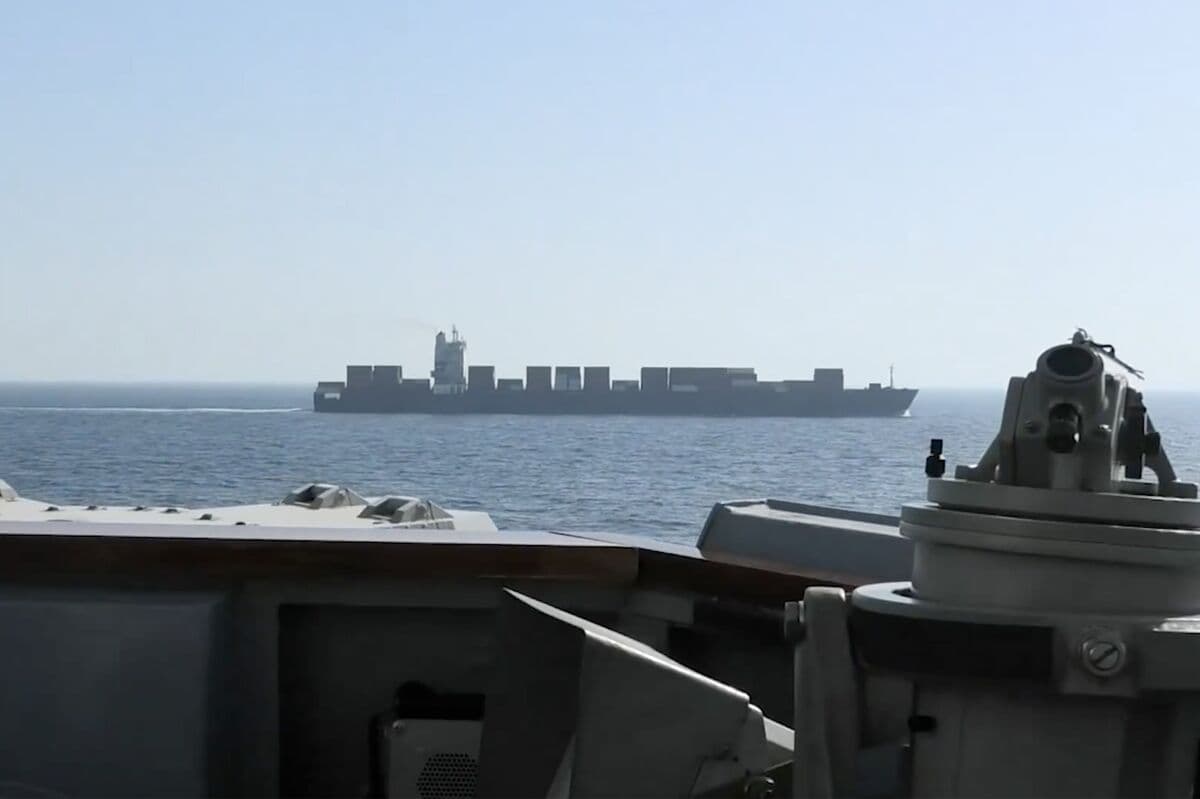
The US Navy seized an Iranian-flagged cargo ship in the Gulf of Oman over the weekend, marking the first seizure in the US blockade of the Strait of Hormuz. This escalation in tensions relates to ongoing Iran-US conflicts, with the incident occurring in early 2026. The move underscores increased military activity in the region amid broader geopolitical tensions.
South Korean stocks recovered from Iran war-related losses, driven by a rally in chipmakers as US–Iran tensions reignited interest in AI stocks. The resurgence reflects investor optimism amid geopolitical uncertainties, with technology sectors leading gains. The market's rebound highlights the influence of geopolitical events on Asian equities and the growing importance of AI in investment strategies.
Emerging-market stocks recovered losses from the Iran war, boosted by a rally in Asian equities. The rebound was driven by growing optimism around artificial intelligence and hopes that Middle East tensions might ease. The market's recovery reflects investor confidence amid geopolitical uncertainties and technological advancements, with no specific amounts or dates provided.