Major Japanese Life Insurer to Slow Buying of Domestic Debt
Bloomberg Markets·60-word summary·1 min read
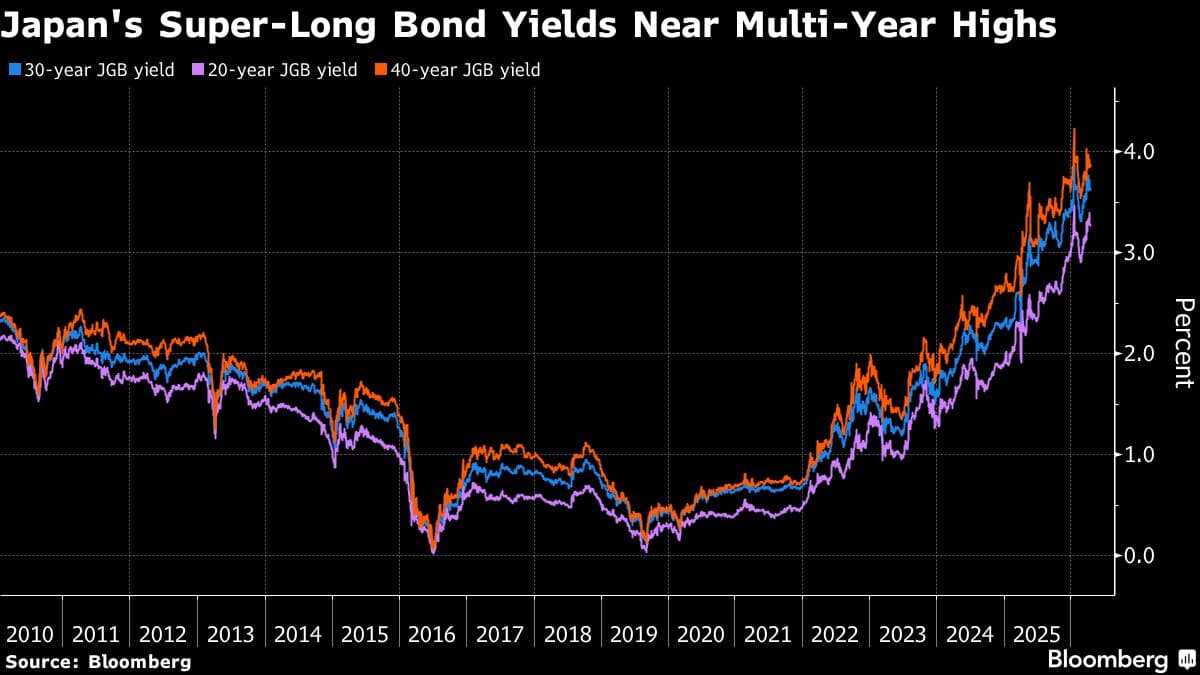
Fukoku Mutual Life Insurance Co. will reduce its purchases of Japanese government bonds in the current fiscal year, citing limited potential gains from super-long bond yields. The insurer's decision reflects cautious sentiment amid Japan's low-yield environment, signaling a shift in its domestic debt investment strategy. The move is part of broader adjustments by Japanese insurers amid evolving macroeconomic conditions.
Revolut CEO Nik Storonsky announced the digital bank plans to go public by 2028, delaying earlier expectations. The London-based fintech aims to list its shares in two years, making it one of Europe's most anticipated IPOs. The move reflects the company's strategic timing, with no specific valuation or funding details disclosed.
The U.S. seized an Iranian cargo ship, escalating tensions in the Gulf, while reports of vessel attacks have further strained the fragile U.S.-Iran ceasefire. These developments, occurring in April 2026, threaten to undermine ongoing diplomatic efforts to stabilize the region amid rising hostilities. The situation remains tense as both sides face increased risks of conflict escalation.
Asian stocks increased on April 17, as investors moved past Middle East tensions and focused on economic fundamentals and potential future negotiations. The shift suggests that market sentiment is stabilizing, with investors betting that the period of peak uncertainty has passed. This rally reflects a broader confidence in the region’s economic outlook despite geopolitical concerns.
Zimbabwe’s central bank governor announced that the country’s currency is undervalued by nearly 50%, citing foreign reserves and gold backing as key factors. The statement highlights ongoing concerns about the currency’s stability amid economic challenges. No specific date was provided, but the comment underscores efforts to address currency valuation issues in Zimbabwe’s macroeconomic landscape.
Germany’s sovereign wealth fund is lifting its restrictions on investing in weapons manufacturers, reflecting changing geopolitical tensions. The move marks a shift from previous exclusions, signaling a more flexible approach to investments in the defense sector amid rising global security concerns. The fund’s decision aligns with broader geopolitical developments impacting macroeconomic and financial strategies.
China is expected to import a record volume of US ethane this month, driven by the Middle East conflict that has disrupted regional supplies. The war has deepened China’s reliance on US imports for niche petrochemical feedstocks, highlighting ongoing vulnerabilities in global energy and chemical supply chains amid geopolitical tensions.