Former US Ambassador: Trump May End Iran Ceasefire Soon
Bloomberg Markets·60-word summary·1 min read
Former US Ambassador James Jeffrey warns that US-Iran negotiations are fragile after a chaotic weekend. A US team is expected to travel to Islamabad on Wednesday for a second round of talks. Jeffrey suggests that then-President Trump may end Iran’s ceasefire soon, highlighting ongoing tensions in the region. The situation remains uncertain as diplomatic efforts continue.
Investors are expected to increase investments in defense, energy, and technology stocks as the Middle East conflict prompts governments to focus on security and self-reliance. This shift reflects a broader response to geopolitical tensions impacting global markets, with increased allocations in these sectors signaling a move towards resilience amid ongoing regional instability. The trend highlights how macroeconomic factors influence stock trading strategies.
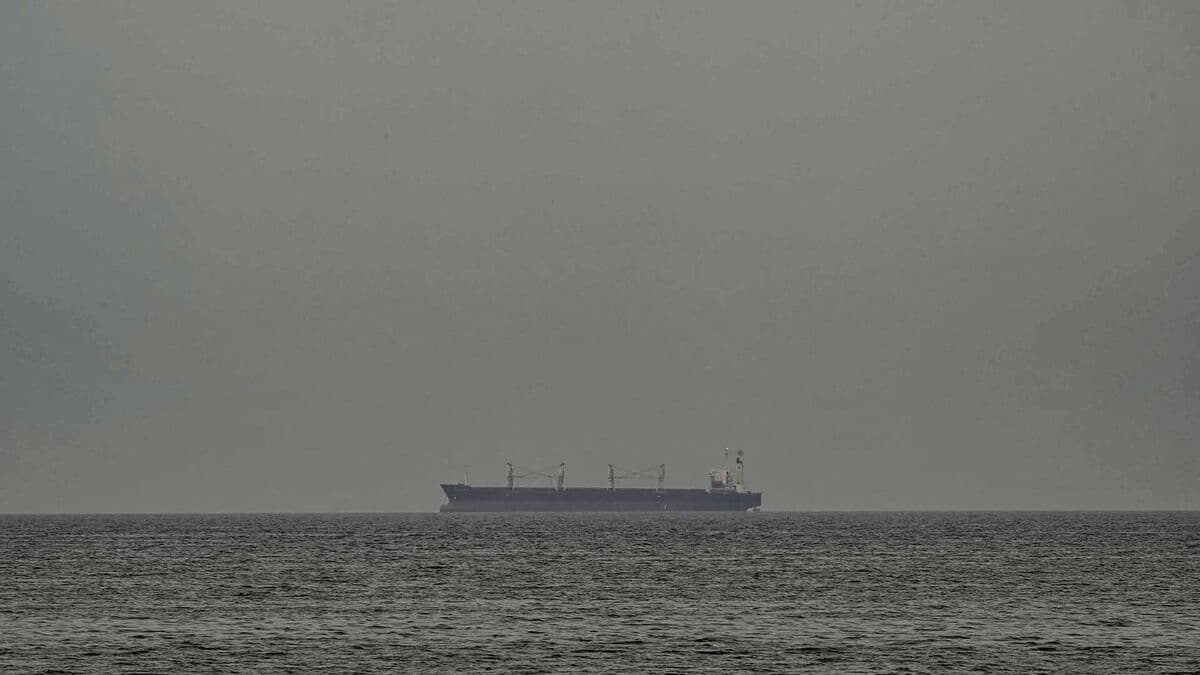
The U.S. seized an Iranian ship on April 20, 2026, raising concerns about its impact on ongoing peace talks between Iran and the West. The move marks a significant escalation in tensions, potentially complicating diplomatic efforts. The seizure underscores the fragile state of international negotiations amid broader geopolitical conflicts involving Iran and U.S. interests.
Ninety One Plc remains optimistic about South African equities, citing the Iran war's volatility as an opportunity to buy undervalued stocks. The firm believes the current market conditions have created attractive entry points, with prices lower than justified by earnings prospects. The company’s positive outlook highlights potential gains amid ongoing geopolitical tensions affecting global markets.
Revolut CEO Nik Storonsky announced the digital bank plans to go public by 2028, delaying earlier expectations. The London-based fintech aims to list its shares in two years, making it one of Europe's most anticipated IPOs. The move reflects the company's strategic timing, with no specific valuation or funding details disclosed.
The U.S. seized an Iranian cargo ship, escalating tensions in the Gulf, while reports of vessel attacks have further strained the fragile U.S.-Iran ceasefire. These developments, occurring in April 2026, threaten to undermine ongoing diplomatic efforts to stabilize the region amid rising hostilities. The situation remains tense as both sides face increased risks of conflict escalation.
Asian stocks increased on April 17, as investors moved past Middle East tensions and focused on economic fundamentals and potential future negotiations. The shift suggests that market sentiment is stabilizing, with investors betting that the period of peak uncertainty has passed. This rally reflects a broader confidence in the region’s economic outlook despite geopolitical concerns.