US Stocks Fall For Second Day on Iran Uncertainty, Oil Spike
Bloomberg Markets·60-word summary·1 min read
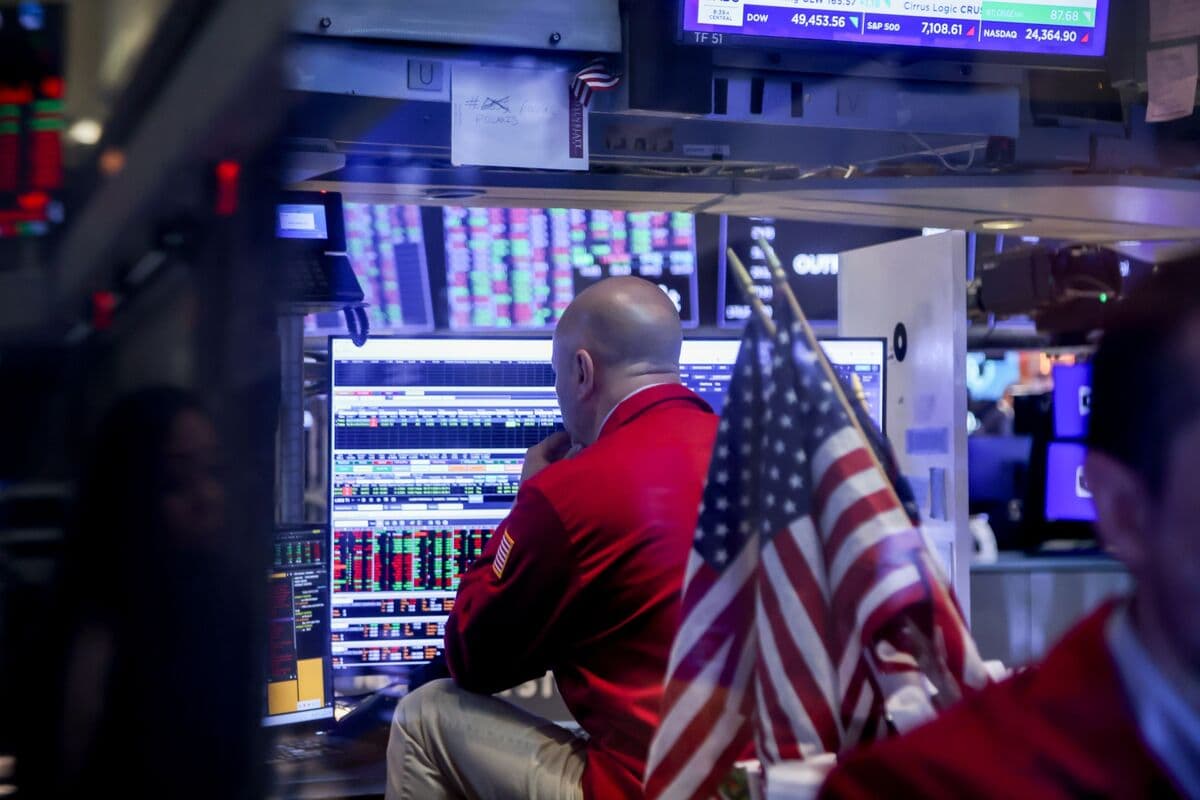
US stocks declined for the second consecutive day on April 20, 2026, amid uncertainty over Iran peace talks and a spike in oil prices. Investors reacted to ongoing geopolitical tensions and awaited updates from a Senate Banking Committee hearing featuring Kevin Warsh. The market's decline reflects concerns over potential disruptions in oil supply and geopolitical risks impacting the economy.
The Iran conflict has caused significant disruptions in oil markets, leading to a profit surge for the world's largest energy traders. These traders are experiencing a new wave of gains amid the geopolitical tensions, highlighting the impact of the Iran war on global commodity trading. The situation underscores how geopolitical conflicts can dramatically influence energy markets and trader profits.
President Donald Trump announced on social media that he would extend the ceasefire with Iran until diplomatic talks are resumed, following the cancellation of planned negotiations. The extension aims to maintain stability amid ongoing tensions, with no specific timeline provided. The move reflects efforts to de-escalate conflicts while diplomatic efforts are temporarily paused.
Bond traders are betting on continued low volatility, expecting rates to stay within a tight range, despite ongoing US-Iran peace negotiations. These bets reflect confidence in a stable macroeconomic environment post-war, with traders focusing on the potential for calm to persist. The market's outlook suggests traders anticipate limited rate fluctuations in the near term, regardless of geopolitical tensions.
Capital One Financial Corp., the largest US credit-card lender, reported a first-quarter profit that fell short of Wall Street estimates. The company increased its provisions for bad loans, reflecting concerns over credit quality. The report highlights ongoing challenges in the macro-finance environment, with Capital One adjusting its risk reserves amid economic uncertainties in early 2026.
U.S. markets extended their downturn on April 21, 2026, with broad declines across major indices. The ongoing decline was covered extensively by Bloomberg, with analysts noting continued investor caution amid macroeconomic uncertainties. The market's downward trend reflects ongoing concerns about economic growth and potential policy impacts, contributing to a cautious trading environment.
Federal Reserve chair nominee Kevin Warsh expressed support for digital assets, stating they are already integrated into the financial industry. During his nomination hearing on April 21, 2026, Warsh highlighted the growing role of cryptocurrencies and digital assets in finance, contrasting with concerns raised by Senator Warren, who criticized certain crypto practices as akin to "sock puppets.