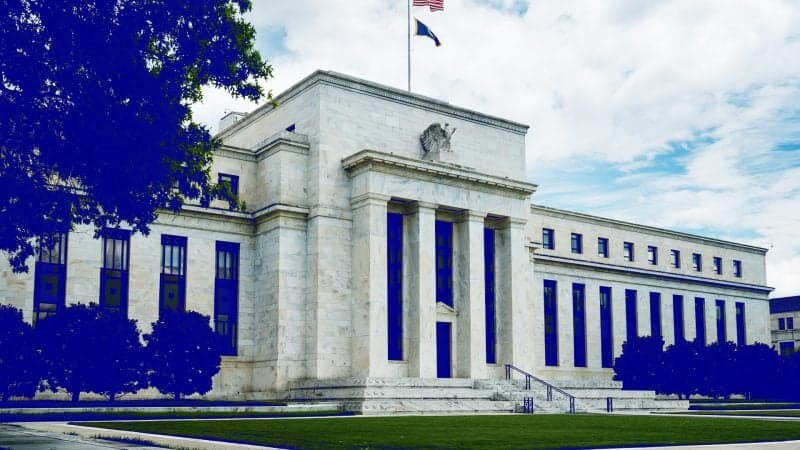
Fed pick Warsh backs crypto’s place in finance as Warren raises ‘sock puppet’ concerns in hearing
The Block·60-word summary·1 min read
Federal Reserve chair nominee Kevin Warsh expressed support for digital assets, stating they are already integrated into the financial industry. During his nomination hearing on April 21, 2026, Warsh highlighted the growing role of cryptocurrencies and digital assets in finance, contrasting with concerns raised by Senator Warren, who criticized certain crypto practices as akin to "sock puppets.
President Donald Trump announced on social media that he would extend the ceasefire with Iran until diplomatic talks are resumed, following the cancellation of planned negotiations. The extension aims to maintain stability amid ongoing tensions, with no specific timeline provided. The move reflects efforts to de-escalate conflicts while diplomatic efforts are temporarily paused.
Capital One Financial Corp., the largest US credit-card lender, reported a first-quarter profit that fell short of Wall Street estimates. The company increased its provisions for bad loans, reflecting concerns over credit quality. The report highlights ongoing challenges in the macro-finance environment, with Capital One adjusting its risk reserves amid economic uncertainties in early 2026.
U.S. markets extended their downturn on April 21, 2026, with broad declines across major indices. The ongoing decline was covered extensively by Bloomberg, with analysts noting continued investor caution amid macroeconomic uncertainties. The market's downward trend reflects ongoing concerns about economic growth and potential policy impacts, contributing to a cautious trading environment.
Federal Reserve chair nominee Kevin Warsh, during his confirmation hearing on April 18, 2026, expressed skepticism about the Fed’s forward guidance, suggesting it should be less restrictive. He also indicated plans to limit Fed members' public comments ahead of rate decisions, emphasizing the need for the Fed to stay within its traditional role and avoid overreach.
Top oil traders warn that the Iran war's impact will persist for months, even after a deal to reopen the Strait of Hormuz. They suggest the disruption could cause a billion-barrel shock to global oil markets, with some traders indicating that oil flows may never fully recover to pre-war levels. The war's effects are expected to echo long into the future.
Oil traders warn that the Iran war's impact will persist for months, even after a deal to reopen the Strait of Hormuz. They estimate a billion-barrel hole in global oil supplies, with some traders suggesting that oil flows may never fully recover to pre-war levels. The ongoing conflict continues to threaten global energy markets and supply stability.