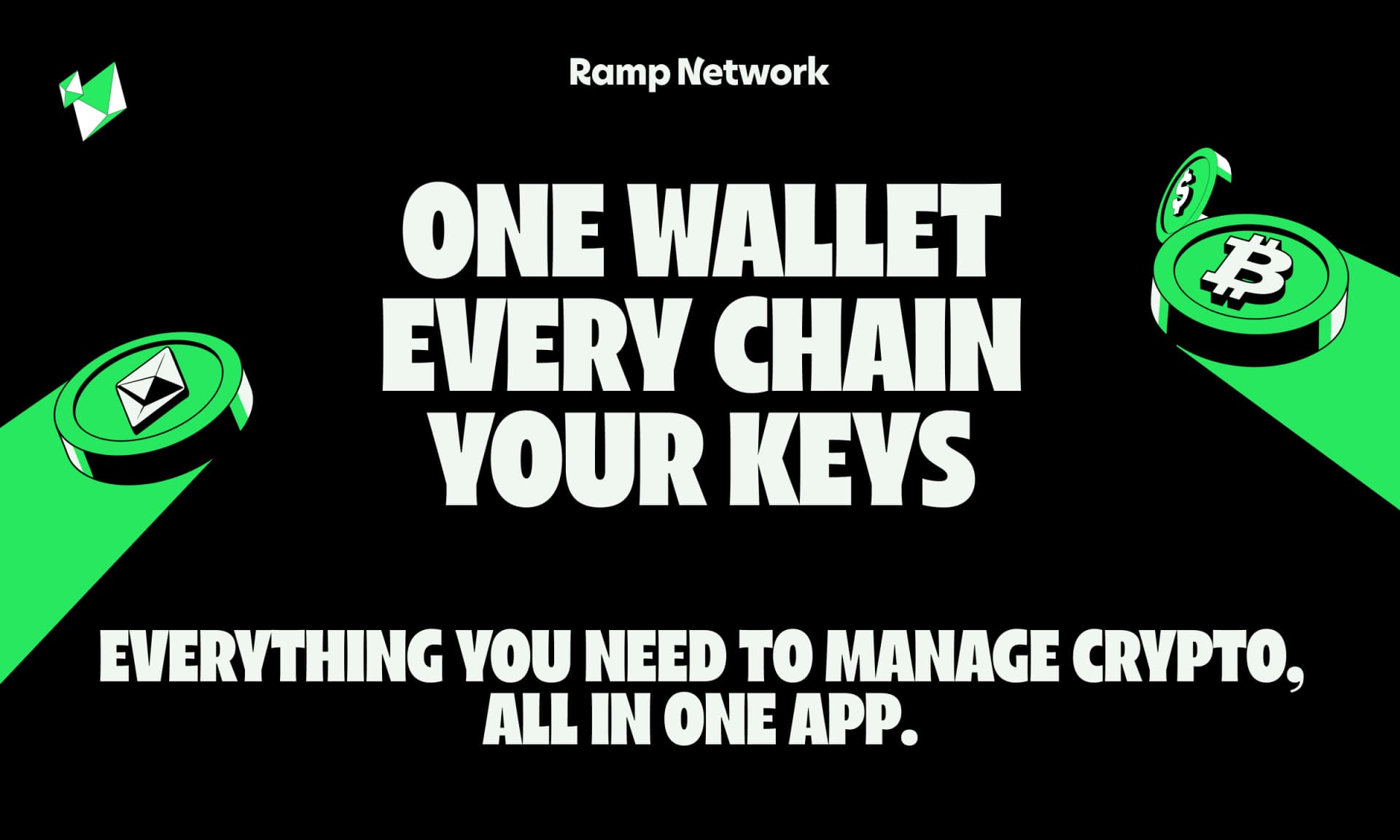
Ramp Network Launches Multichain Wallet That Eliminates Third-Party Dependencies in Self-Custody
CryptoPotato·60-word summary·1 min read
Ramp Network launched a multichain wallet that eliminates reliance on third-party providers for core functions like buying and swapping. The new self-custody wallet aims to improve security and user control across multiple blockchains, addressing key limitations of existing crypto wallets and enhancing user experience in Web3.
Ripple and Solana launched Wrapped XRP (wXRP) on the Solana network, enabling cross-chain liquidity. The milestone, confirmed by Solana, Hex Trust, and LayerZero, has positively impacted XRP and Solana prices, marking a key step in interoperability between the two blockchains.
Analyst Jake Claver predicts that Ripple could become the 'Amazon of Payments and Banking Infrastructure' by 2040, potentially even sooner due to recent acquisitions. This ambitious forecast highlights Ripple's growing influence in the financial sector, as it aims to revolutionize payment systems and banking through blockchain technology.
Singapore Gulf Bank has launched a 24/7 stablecoin minting service on the Solana network, eliminating gas fees. This initiative aims to facilitate instant cross-border settlements and enhance the adoption of stablecoins for high-value transfers. By bridging traditional banking with blockchain technology, SGB is positioning itself at the forefront of the evolving financial landscape.
Crypto projects should treat PR as infrastructure, not a campaign, to build sustainable growth. PR, like SEO, compounds over time through earned media, making it a long-term asset for Web3 projects.
Ramp Network has launched a multichain wallet designed for easier self-custody of digital assets. The wallet allows users to buy, sell, swap, and cash out cryptocurrencies all within a single application, eliminating the need for third-party services. This innovation aims to simplify the user experience in managing digital assets.
Tempo’s ‘Zones’ feature enables private, permissioned stablecoin transactions on its layer-1 blockchain for enterprises. Critics warn that the operator-controlled design reintroduces centralized trust, raising privacy and decentralization concerns in crypto infrastructure. The debate highlights ongoing tensions between privacy features and trust models in blockchain networks.