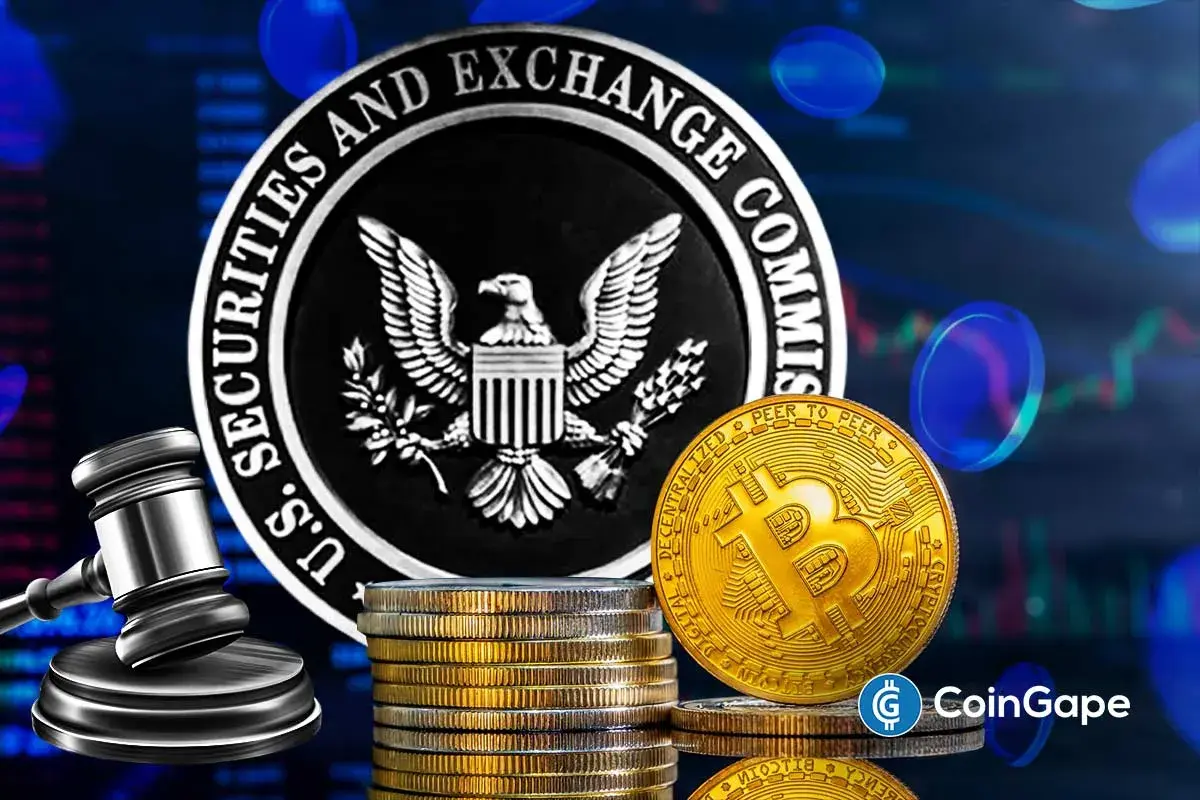
New Crypto Token Launches Could Cost Millions Under SEC’s “Reg Crypto” Framework
CoinGape·60-word summary·1 min read
The US SEC’s proposed “Reg Crypto” rules could significantly increase costs for new crypto token launches, potentially costing millions. The framework, developed alongside the CFTC, mandates compliance measures such as securities legal reviews, audits, and detailed disclosure documents. These requirements aim to regulate altcoin launches more strictly, raising the barrier for new token projects starting from the upcoming regulatory phase.
Japan has reclassified XRP as a financial instrument, giving it the same legal status as stocks and bonds, according to crypto pundit UnknowDLT. This regulatory clarity, announced in April 2026, builds on Japan’s early adoption of XRP through Ripple’s partnership with SBI. The move has fueled speculation about XRP potentially reaching $10, amid ongoing adoption and tokenization efforts in Japan.
The European Union will end the MiCA transition period on July 1, requiring all crypto firms to hold valid licenses to operate within the EU. Unlicensed crypto asset service providers must cease serving EU clients after this date. Smaller exchanges, especially in markets like Poland, face increased compliance costs and stricter governance under MiCA regulations.
GSR launched its first ETF, listed on Nasdaq, managing a basket of Bitcoin, Ether, and Solana. The ETF offers active management and staking yields, aiming to attract investors into crypto assets. This move marks GSR’s entry into asset management, providing easier access to major tokens for retail and institutional investors.
Despite macroeconomic pressures and fading rate cut expectations, Bitcoin ETF inflows and policy shifts indicate deeper institutional integration. The IMF’s outlook and the Federal Reserve’s April Beige Book highlight ongoing progress, with crypto assets like BTC, tokenization, and stablecoins increasingly entering regulated finance. This suggests that institutional adoption is accelerating even without monetary easing.
Bitcoin surpassed $79,000 amid escalating US-Iran-Israel tensions, highlighting its role as a geopolitical hedge. The surge reflects market sensitivity to global conflicts and potential regulatory impacts, emphasizing Bitcoin's position as a safe haven during geopolitical crises. The price movement underscores the influence of international tensions on cryptocurrency markets as of April 2026.
Uzbekistan has launched the Besqala Mining Valley, offering crypto miners a 0% corporate tax rate until 2035. The initiative aims to boost the country's crypto industry while maintaining strict regulatory oversight. The policy was announced in April 2026, reflecting Uzbekistan’s efforts to attract blockchain investments and foster growth in the sector.