Why Private Credit Is Not a Financial Crisis Threat
Bloomberg Markets·60-word summary·1 min read
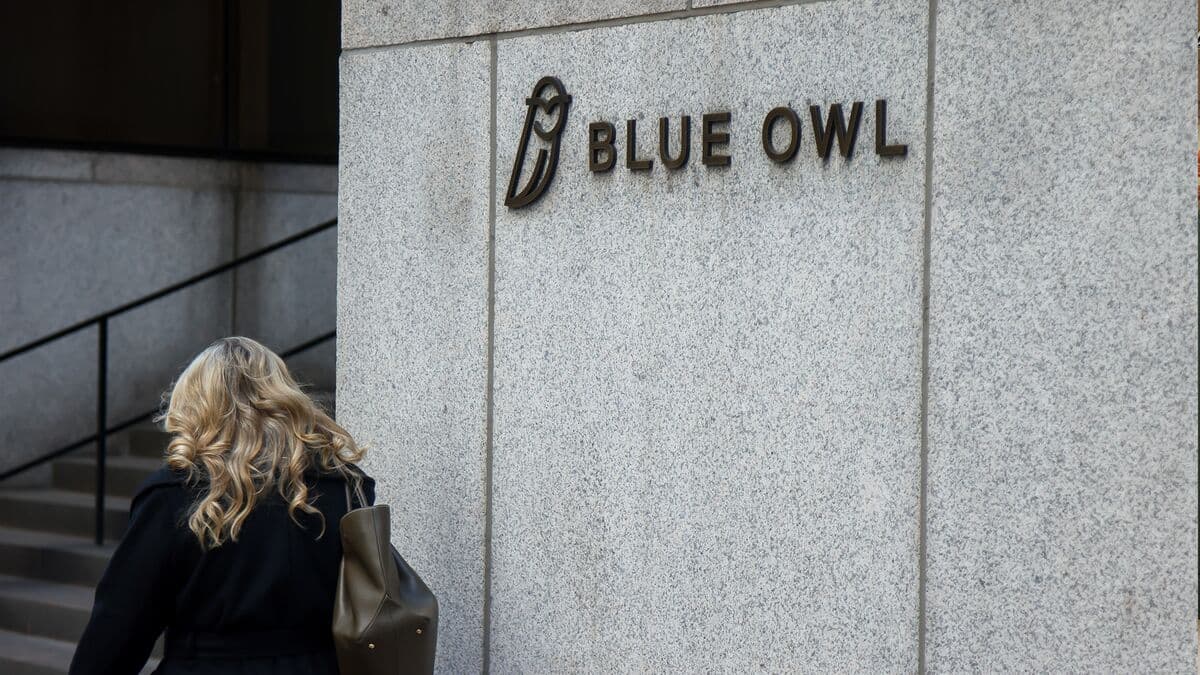
Private credit, a trillion-dollar asset class involving direct loans to private equity-backed firms, is not seen as a threat to financial stability. Bloomberg Senior Writer Felix Salmon discussed this view on Bloomberg This Weekend, emphasizing that despite its rapid growth, private credit's structure and regulation mitigate systemic risk, alleviating concerns of a potential financial crisis from this asset class.
Data center developers are returning to the junk-debt market to fund AI infrastructure projects, leading to a wave of new bond issuance. This trend reflects growing investment in artificial intelligence and cloud computing, despite concerns over high borrowing costs and market volatility. The move signals confidence in AI's long-term growth prospects.
Hungary’s incoming Prime Minister Peter Magyar announced his new cabinet on April 20, 2026, aiming to revitalize the country’s economy and repair European relations. The cabinet includes key ministers tasked with leading Hungary’s economic reset amid ongoing challenges. This move signals Hungary’s focus on economic recovery and strengthening ties within the European Union.
Eli Lilly has agreed to acquire cancer drug maker Kelonia in a deal valued at up to $7 billion. Kelonia is developing in vivo CAR-T technology, which reprograms patients' T-cells inside the body to target cancer. The acquisition aims to enhance Eli Lilly’s oncology portfolio and is part of its broader strategy to expand its presence in innovative cancer treatments.
Iran is hesitating on peace talks, while the UAE is exploring a US financial lifeline amid ongoing geopolitical tensions. The developments, reported on April 20, 2026, highlight regional economic and political uncertainties. These moves could impact global markets, as key policymakers and analysts discuss potential implications for macro-finance stability and international relations.
Psychedelic stocks surged in premarket trading on April 20, 2026, after President Donald Trump signed an executive order to expedite research and access to psychedelic therapies. The move aims to accelerate development in the sector, boosting investor confidence and driving up shares of companies involved in psychedelic-related treatments. The order marks a significant policy shift in the industry.
Strategy Inc., led by Michael Saylor, purchased $2.54 billion worth of Bitcoin in the past week, its largest acquisition since November 2024. This significant buy highlights ongoing institutional interest in Bitcoin, with Strategy’s total holdings now reaching new highs. The move underscores the continued confidence in Bitcoin as a store of value amid fluctuating markets.