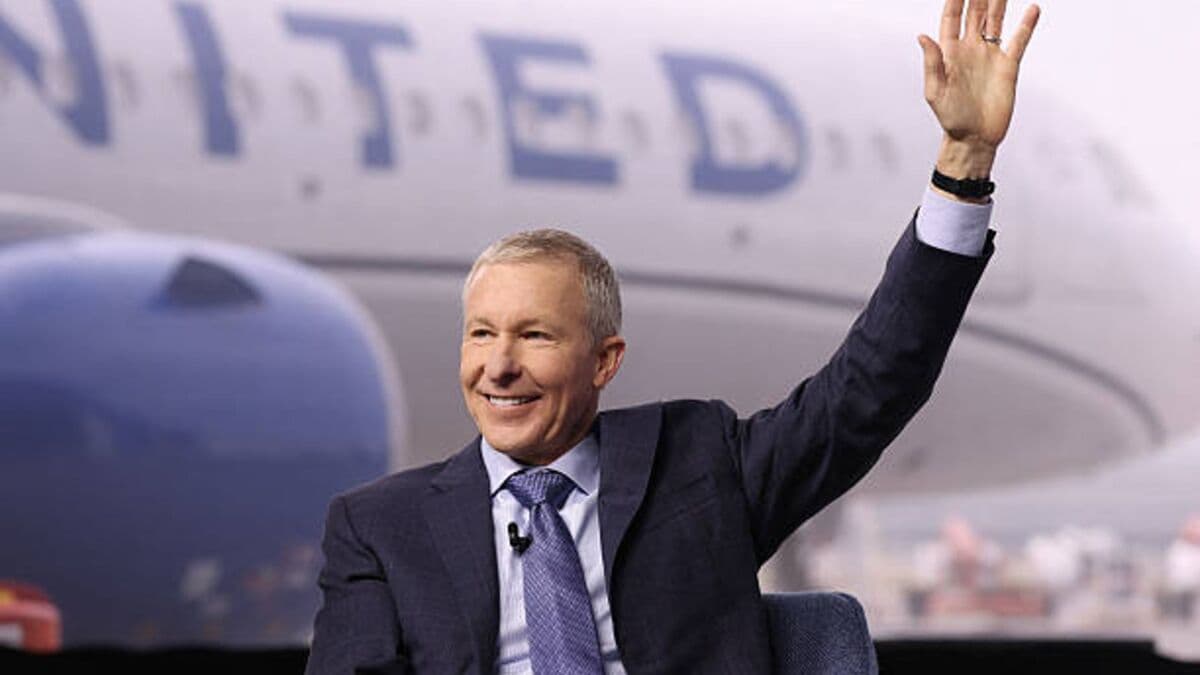
United CEO Won't Comment on Possible Merger With American Airlines
Bloomberg Markets·60-word summary·1 min read
United Airlines CEO Scott Kirby declined to comment on a potential merger with American Airlines. Instead, he emphasized his focus on competing with foreign airlines and creating a globally competitive U.S. airline. The statement was made during an interview with Bloomberg from United’s Chicago headquarters. No specific merger details or dates were provided.
S&P Global Vice Chairman Daniel Yergin warns that the Hormuz crisis is causing a long-term global power shift, with energy prices rising worldwide. He suggests that regardless of the conflict's outcome, a "different world" will emerge, highlighting the crisis's broader macroeconomic implications. The situation underscores ongoing geopolitical tensions affecting global markets and energy security.
Treasury Secretary Scott Bessent announced on Wednesday that several US allies in the Gulf and Asia have requested foreign exchange swap lines. These arrangements aim to bolster dollar-denominated lending abroad, reflecting increased international demand for US currency support amid ongoing global financial tensions. The move highlights the strategic importance of dollar liquidity in maintaining global financial stability.
Avis shares tripled in two weeks, causing $2.5 billion in losses for short sellers. Short interest is now near a decade high at 58%, despite analysts warning the rally appears driven by a short squeeze rather than fundamental growth. Bloomberg reports highlight the ongoing tension between market optimism and underlying concerns about the stock’s sustainability.
The Strait of Hormuz experienced a near halt on April 22, 2026, as Iranian forces opened fire on and seized commercial ships. The incident disrupted maritime traffic in the strategic waterway, raising concerns over regional stability and potential impacts on global oil supplies. No specific ship numbers or financial amounts were reported.
UBS faces a $20 billion capital requirement after the Swiss government announced plans to strengthen its buffers, despite relaxing some regulatory changes. The move aims to bolster the bank’s resilience amid ongoing financial uncertainties. The new capital mandate highlights the Swiss authorities’ focus on maintaining stability in the banking sector, with the measures set to take effect soon.
European Central Bank Executive Board member Piero Cipollone expressed confidence that a delay in the European Parliament's vote on the digital euro, now expected from early May to mid-June, will not significantly impact the project. The ECB continues to prioritize the digital euro's development amid ongoing discussions and regulatory considerations.