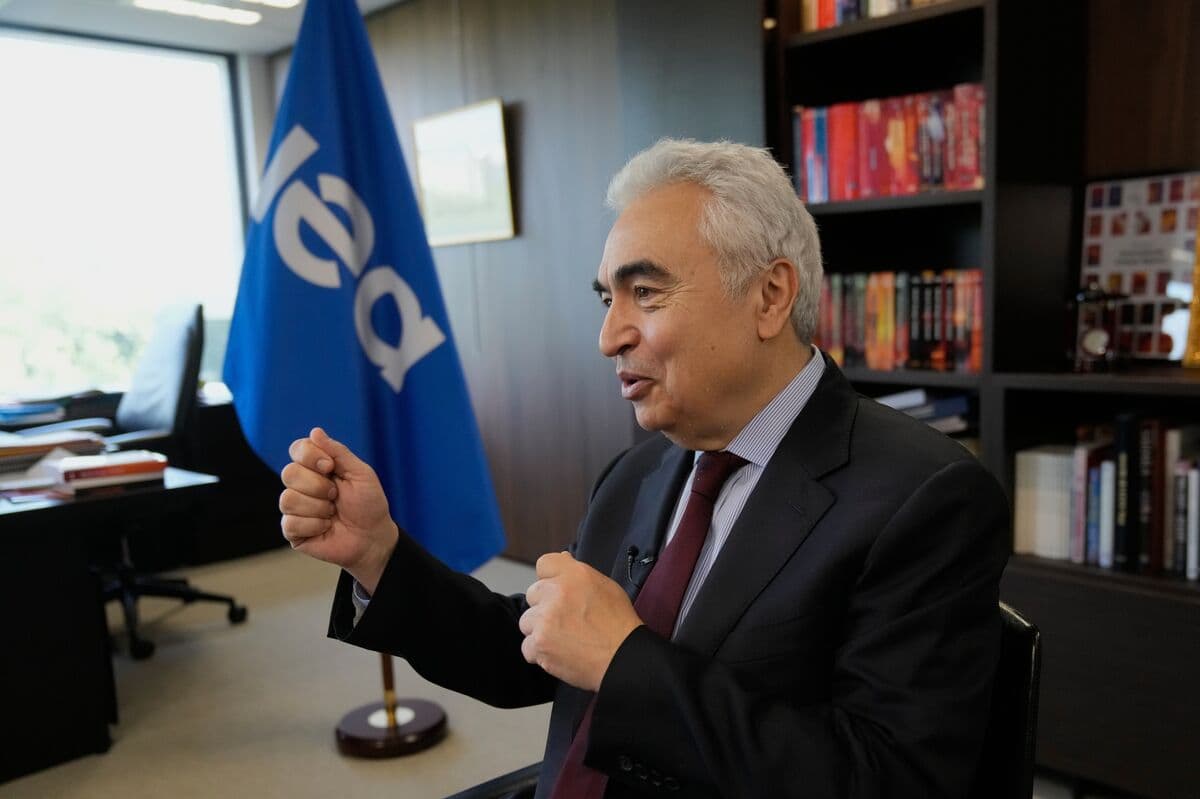
IEA Head Pitches Iraq-Turkey Pipeline to Bypass Hormuz: Hürriyet
Bloomberg Markets·60-word summary·1 min read
International Energy Agency Executive Director Fatih Birol proposed constructing a new oil pipeline connecting Iraq’s Basra oil fields to Turkey’s Ceyhan terminal, bypassing the Strait of Hormuz. The plan aims to enhance energy security and reduce reliance on Hormuz, a strategic chokepoint. The proposal highlights ongoing efforts to diversify oil transit routes amid geopolitical tensions.
China’s Orient Securities is set to merge with another Shanghai government-backed brokerage, creating a firm valued at approximately $86 billion in assets. The deal, part of China’s broader strategy to consolidate its securities industry and develop global investment banks, highlights ongoing efforts to strengthen the country’s financial sector. The merger aims to enhance competitiveness and industry stability.
New World Development Co. sold out all flats in the first phase of its Pavilia Farm III luxury project in Hong Kong. The developer announced the complete sell-out, highlighting strong demand for high-end residential properties in the region. The project’s success reflects ongoing investor confidence in Hong Kong’s luxury real estate market as of April 2026.
Victoria, Australia, will offer free public transport in May and halve fares for the rest of 2026 to support consumers facing high fuel prices. The initiative aims to ease transportation costs amid ongoing economic pressures. This extension of benefits reflects the state's efforts to assist residents during a challenging financial period.
The South African Reserve Bank (SARB) warns that ongoing Middle East conflict may hinder the European Central Bank’s (ECB) plans to cut interest rates, as geopolitical tensions shift focus toward inflation control. This development complicates global economic stability, with central banks potentially delaying rate cuts to manage inflation amid rising geopolitical risks. The situation underscores the broader impact of regional conflicts on macroeconomic policies.
Seven weeks of war in the Middle East are expected to impact the global economy, with signs of stagflation emerging in upcoming business surveys from multiple countries. The conflict's economic effects are anticipated to intensify in the coming week, raising concerns about inflation and stagnant growth amid ongoing geopolitical tensions.
Credit investors are increasing their risk exposure by purchasing riskier debt, betting that Iran and the US will extend their truce. This shift indicates traders are optimistic about a potential easing of tensions and are moving away from traditional safe havens since the conflict began in late February. The trend reflects growing confidence in a diplomatic resolution.