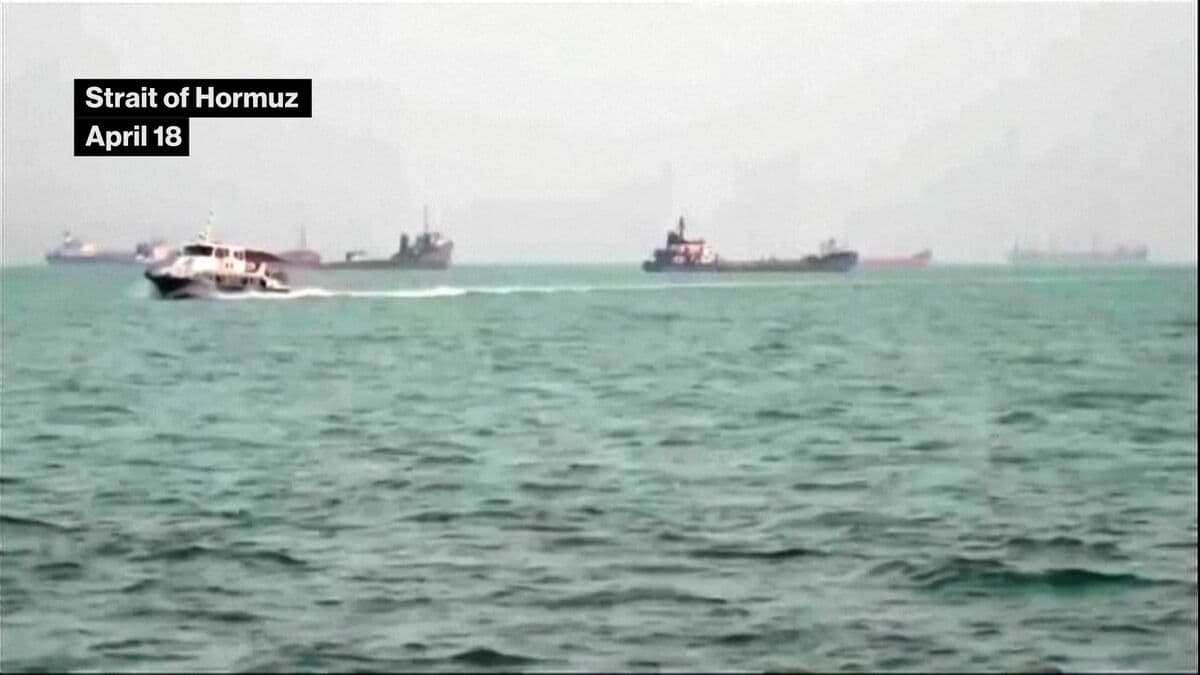
Hormuz at Standstill, Denting US-Iran Peace Deal Hopes
Bloomberg Markets·60-word summary·1 min read
Shipping in the Strait of Hormuz was nearly halted Sunday after Iran reversed its decision to reopen the waterway, firing on passing vessels and threatening to block transit. The US blockade of Iranian ports remains in place, complicating efforts for a US-Iran peace deal amid escalating tensions in the strategic waterway.
Italy aims to keep its budget deficit below 3% of GDP in 2026, despite a downward growth forecast caused by the Iran war. The government remains committed to meeting EU fiscal rules, even as economic growth slows. The country’s efforts reflect ongoing fiscal discipline amid geopolitical tensions impacting economic prospects.
BNP Paribas CIO Ecaterina Bigos highlighted that oil prices are expected to stabilize between $80 and $90 by mid-summer amid ongoing volatility and geopolitical uncertainty. She emphasized the long-term growth potential in sectors like technology, driven by AI-related investments, which have experienced rerating and are projected to maintain momentum through the end of 2026.
U.S. Treasury yields increased across two, ten, and thirty-year maturities due to inflation concerns and slower economic growth, according to Deepali Bhargava of ING. The rise reflects market skepticism amid geopolitical tensions, with yields climbing as investors react to inflation fears. The trend underscores ongoing macroeconomic uncertainty as of April 2026.
EQB Inc., a Canadian bank holding company, plans to sell approximately C$200 million ($146 million) in additional tier one securities, with the offering expected to launch as soon as Monday. This move aims to bolster its capital base amid ongoing market developments. The sale reflects EQB’s strategy to strengthen its financial position in the evolving macro-finance landscape.
European oil refiners experienced a record weekly gain in gasoline margins, driven by a surge in gasoline premiums over crude oil. The increase is linked to high oil prices fueled by the Iran conflict, providing a rare boost for refiners under pressure from rising input costs. The margin spike could influence refining profits in the coming months.
Iran regained control of the Strait of Hormuz over the weekend, escalating tensions in the region. The US seized a ship, and Tehran fired on vessels, deepening the global energy crisis. These developments threaten oil supply stability, with prices likely to remain volatile amid ongoing geopolitical conflicts in the Middle East.