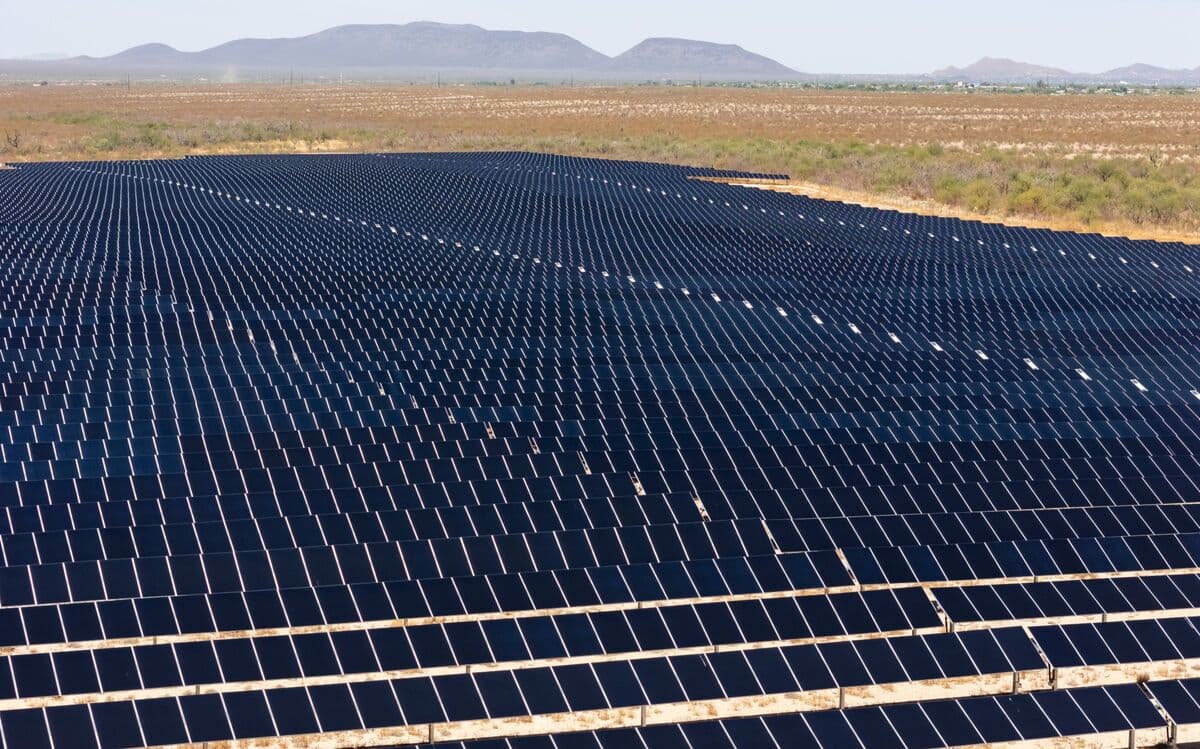
EQT Warns of Exit Risks for Alternative Energy Assets Held by PE
Bloomberg Markets·60-word summary·1 min read
EQT AB warns of increasing exit risks for private equity investments in clean-energy assets amid market hurdles. The firm highlights challenges in divesting from renewable energy developers and operators, signaling potential headwinds for the sector's exit strategies.
Australia extends fuel-quality waivers amid ongoing supply chain issues, allowing continued use of lower-quality fuels to mitigate shortages. The decision aims to ease inflationary pressures and prevent fuel shortages, with authorities monitoring supply levels closely. The extension is set for an additional six months, reflecting persistent global supply chain disruptions affecting fuel imports.
Australia’s Energy Minister Chris Bowen announced that fuel reserves have increased over the past week, with additional shipments expected. The rise in reserves aims to prevent shortages in the import-dependent country amid global supply concerns, supporting energy security and market stability.
Fermi shares dropped 31% after announcing the immediate departure of CEO Toby Neugebauer, signaling potential instability at the AI campus developer. The company’s stock decline reflects investor concern over leadership changes amid ongoing projects.
Mortgage rates are showing signs of decline following a peak during the Iran conflict, as major lenders reduce rates amid market optimism about a potential truce. The easing reflects market confidence and could influence housing affordability and borrowing costs in the coming months.
Over 33% of men aged 20-34 in many countries now live with their parents, the highest since 2007. Rising living costs and economic factors are driving this trend, impacting young adults' independence and housing markets. The trend reflects economic pressures on young men, with significant social and financial implications.
Former Treasury Secretary Hank Paulson warns Iran war could trigger global shocks affecting US markets. He discusses rising copper demand outpacing supply, increasing US reliance on imports, and debates over whether the wealthy pay their fair share, highlighting potential economic risks from geopolitical tensions.