Dollar Wipes Out Iran War Gain as Tehran Says Hormuz Is Open
Bloomberg Markets·60-word summary·1 min read
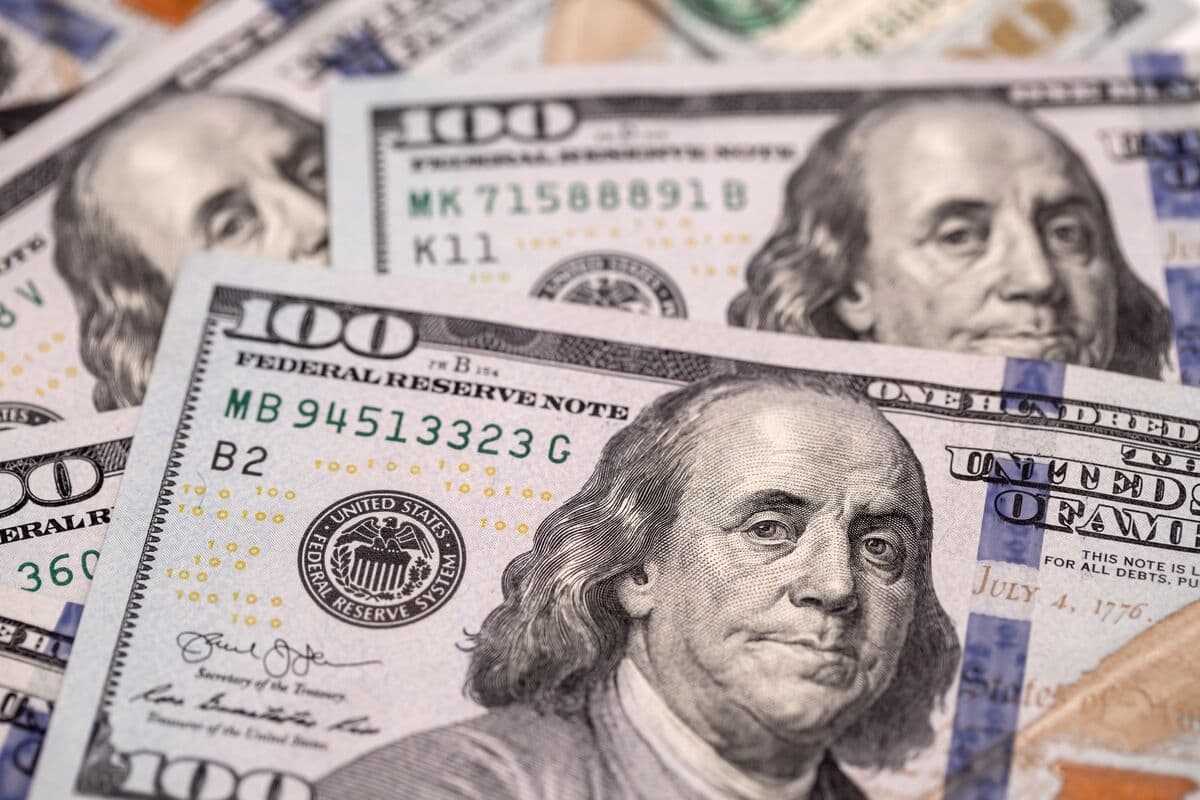
The US dollar erased all gains made since the US-Iran conflict began after Tehran announced the Strait of Hormuz is now fully open for commercial traffic. This development eased geopolitical tensions, reducing demand for safe-haven assets and causing the dollar to decline, impacting global markets and energy prices.
Bangladesh is negotiating with the IMF over key reforms required for a $5.5 billion loan, with Finance Minister Amir Khosru Mahmud Chowdhury meeting IMF officials in Washington. The talks aim to finalize conditions for the loan, which is part of Bangladesh’s broader efforts to secure financial support and implement economic reforms. The negotiations are ongoing as of April 2026.
Several oil tankers reversed course in the Persian Gulf on April 17, after attempting to transit the Strait of Hormuz. The U-turns reflect ongoing uncertainty among shipowners and traders about Iran’s commitment to keep the strategic chokepoint open amid reopening doubts. The incident highlights geopolitical tensions impacting global oil shipping routes.
Australia extends fuel-quality waivers amid ongoing supply chain issues, allowing continued use of lower-quality fuels to mitigate shortages. The decision aims to ease inflationary pressures and prevent fuel shortages, with authorities monitoring supply levels closely. The extension is set for an additional six months, reflecting persistent global supply chain disruptions affecting fuel imports.