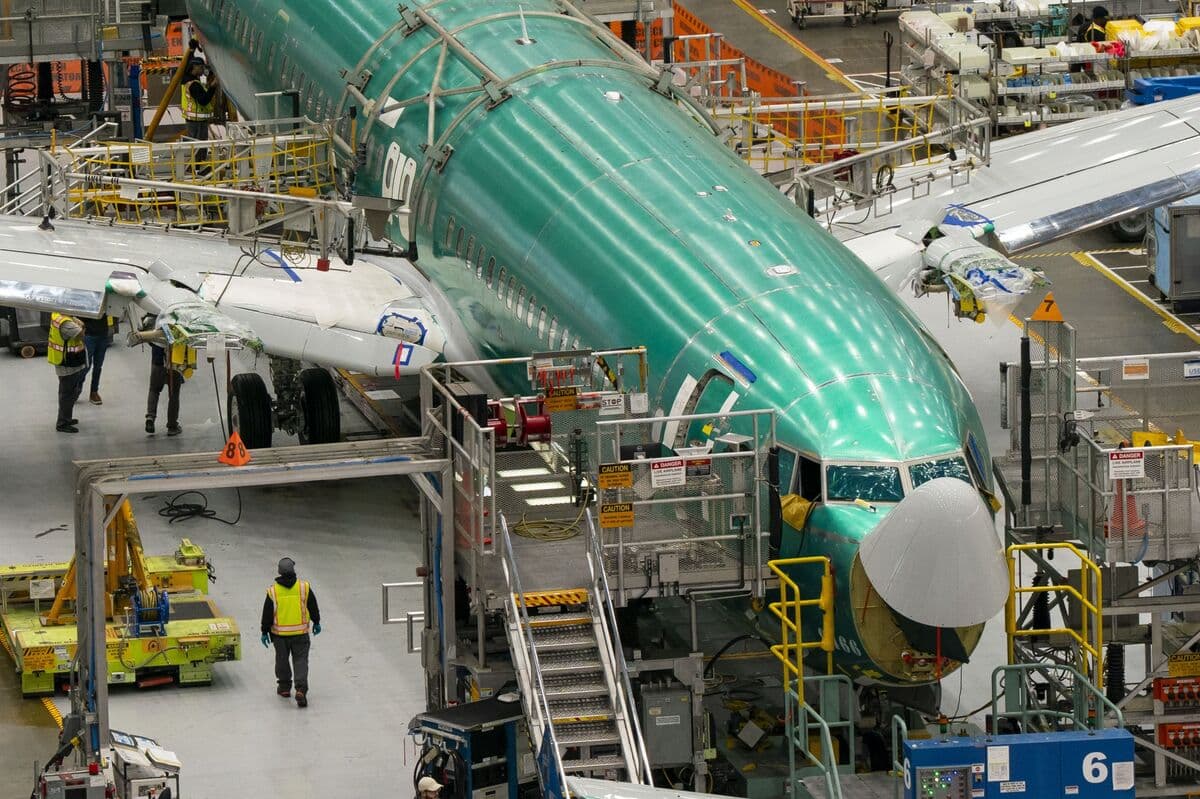
Boeing Narrows Cash Burn in First Quarter as Deliveries Rise
Bloomberg Markets·60-word summary·1 min read
Boeing reduced its cash burn in Q1 2026, delivering the most aircraft since 2019, signaling a recovery. The company’s improved output and steady operations at defense and services units contributed to the lower cash outflow, reflecting positive macroeconomic trends in the aerospace sector. The report highlights Boeing’s ongoing efforts to stabilize finances amid industry-wide challenges.
Bank of America reports that U.S. consumers remain resilient despite rising gas prices, according to Holly O’Neill, president of consumer, retail, and preferred banking. The bank’s latest consumer checkpoint indicates continued spending strength, even as fuel costs increase. The report underscores ongoing consumer confidence amid macroeconomic pressures, with no specific dollar amounts or dates provided.
Toronto-Dominion Bank is considering a rare structured risk transfer (SRT) deal to hedge its data center debt exposure amid increased AI investments by tech firms. The move aims to manage potential financial risks associated with data center infrastructure, reflecting broader financial strategies as the tech sector expands its AI capabilities. The deal's specifics and timing remain undisclosed.
United Airlines CEO Scott Kirby avoided commenting on a potential merger with American Airlines during a TV interview on April 19, 2026. He declined to address questions about the possibility, choosing not to engage in speculation. The airline industry remains cautious amid ongoing discussions, but no official merger plans have been announced.
Former US Defense Secretary Mark Esper stated that the US can sustain a blockade in the Strait of Hormuz indefinitely, with no plans to back down unless Iran makes concessions. Esper made these comments on Bloomberg Surveillance, highlighting ongoing tensions in the Persian Gulf. The statement underscores the US's strategic stance amid Iran-US tensions, which have persisted since 2018.
Iranian gunboats fired on two ships in the Strait of Hormuz, escalating tensions in the strategic waterway. Additionally, Iranian tankers tested a US naval blockade amid ongoing peace talks, which remain stalled. The incident highlights increased regional instability and risks to global shipping routes, with no immediate resolution in sight as Iran asserts its influence in the vital maritime corridor.
European Central Bank Chief Economist Philip Lane stated on April 22, 2026, that it remains uncertain how much the Iran war will impact the euro-area economy. The ECB has yet to determine the extent of the economic shock from the conflict, highlighting ongoing concerns about geopolitical risks and their potential influence on financial stability in the region.