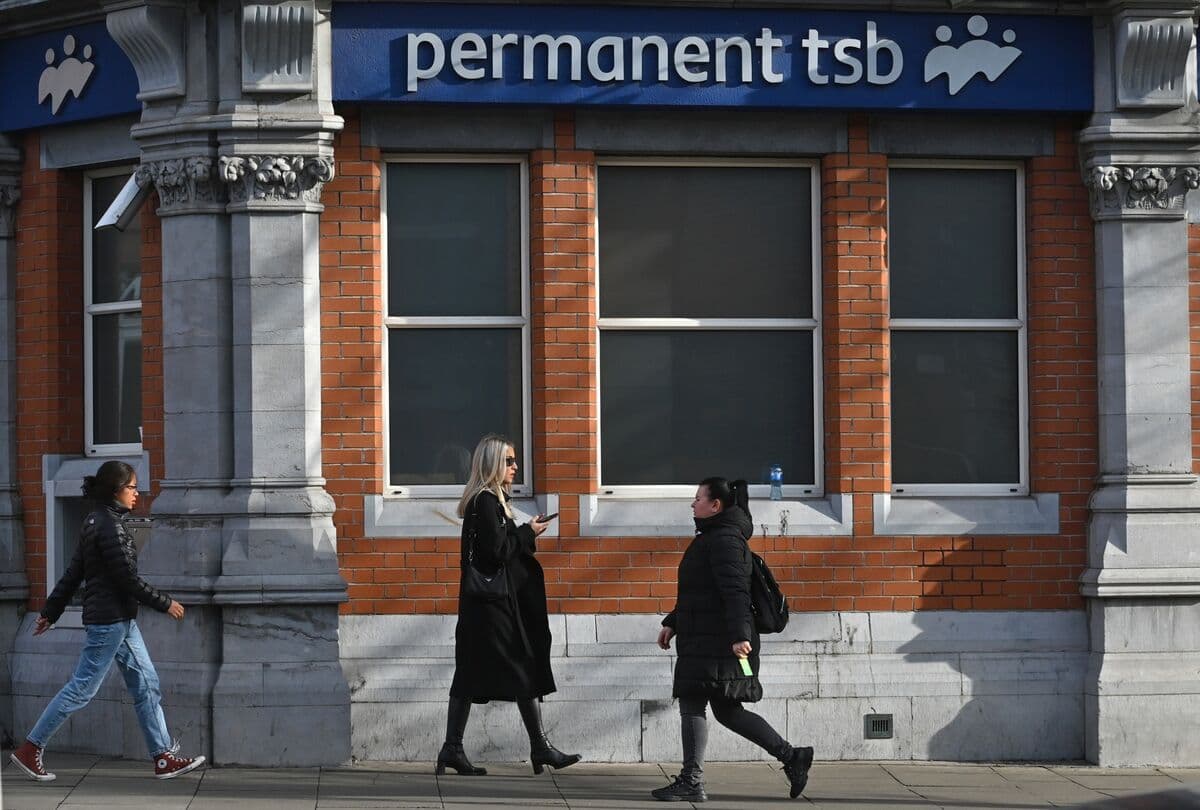
Bawag Plans Dividend Cut, SRTs to Help Fund Permanent TSB Deal
Bloomberg Markets·60-word summary·1 min read
Bawag Group AG plans to cut dividends and use significant risk transfers to fund its €1.62 billion ($1.9 billion) acquisition of Ireland’s Permanent TSB. The move, announced in April 2026, aims to support the deal, which makes Permanent TSB Ireland’s third-largest lender. The strategy reflects Bawag’s focus on maintaining financial stability during the acquisition process.
UniCredit CEO Andrea Orcel stated the bank will pause its bid to acquire Commerzbank if control is not achieved, focusing on other internal priorities. The effort to buy the German lender has been ongoing for over 18 months, with Orcel emphasizing the importance of gaining control for the takeover to proceed.
The euro has become the second-best G-10 currency against the dollar over the past month, attracting bullish options buyers despite concerns over the Middle East war's energy shock impact on Europe’s economy. This resilience defies expectations that geopolitical tensions would weaken the euro, highlighting investor confidence in the currency's stability amid ongoing macroeconomic uncertainties.
European Central Bank Vice President Luis de Guindos emphasized the need for caution in rate decisions amid ongoing Iran war uncertainties. He stated that the ECB should adopt a prudent approach and maintain a cool head on interest rate policies, reflecting concerns over geopolitical risks impacting the eurozone's economic outlook. No specific rate changes or dates were mentioned.
Suzlon Energy Ltd., India's largest wind turbine manufacturer, announced that India is on track to achieve its 2030 goal of 100 gigawatts of wind capacity. The company highlighted accelerating installations driven by increasing demand for reliable, renewable energy sources. This progress aligns with India's broader efforts to expand its renewable energy sector and meet climate commitments.
Oil prices are not fully reflecting the impact of the Iran war, which has effectively closed the Strait of Hormuz, causing the largest supply disruption ever. Analysts warn that the market has yet to price in the full scale of this supply hit, which could lead to increased volatility and upward pressure on oil prices in the coming weeks.
The Bank of Japan warned on April 21, 2026, that global hedge funds unwinding their positions could pose risks to Japan’s bond market. The BOJ expressed concern that the potential sell-off might impact bond prices and market stability, highlighting the interconnectedness of international hedge fund activities and Japan’s financial system.