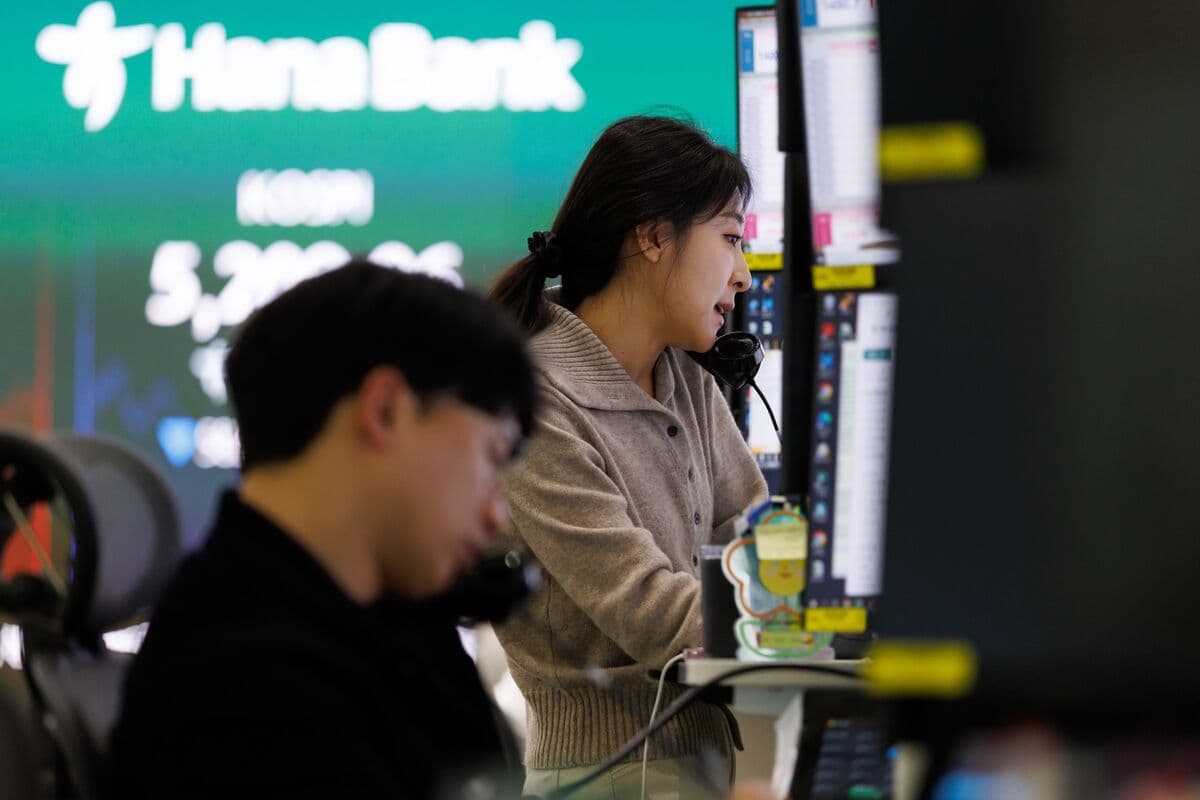
AI Boom Propels Kospi to Record as Tech Giants Defy War Jitters
Bloomberg Markets·60-word summary·1 min read
On April 21, 2026, South Korea's Kospi reached a record high, driven by investor optimism amid the AI boom. Tech giants and the AI trade's resurgence boosted the market, despite ongoing geopolitical tensions related to the Iran war. The rally also extended to Taiwan, reflecting broader regional confidence in technology sector growth.
Commerzbank AG has formally rejected UniCredit Spa’s recent takeover bid, calling it "hostile" and lacking value. The German lender stated the proposal undermines trust and does not meet its strategic criteria. The rejection highlights ongoing tensions between the two European banks amid broader macro-financial concerns in the region. The timeline of the proposal’s submission remains unspecified.
Swedbank's former CEO Birgitte Bonnesen was fully cleared by Sweden’s Supreme Court on April 21, 2026, in a case linked to one of Europe's largest money laundering scandals. The ruling concludes her involvement in the case, which had previously implicated her in allegations of dirty money activities during her tenure at Swedbank AB.
AI optimism is driving U.S. stocks higher despite ongoing Iran-related geopolitical risks. The positive sentiment, highlighted in Bloomberg’s "The Opening Trade," reflects investor confidence in AI advancements supporting market gains. No specific amounts or dates are provided, but the trend indicates that AI optimism continues to influence macro-finance markets amid geopolitical tensions.
Commerzbank forecasts Brent oil prices will stay above $80 per barrel until the end of 2026, citing tight supply and US-Iran de-escalation prospects. Oil prices remain supported despite geopolitical tensions, with ongoing supply constraints and potential easing of Iran-related sanctions influencing the outlook. The outlook suggests sustained high prices through year-end.
The rupee declined as traders evaluated the Reserve Bank of India's partial easing of foreign exchange restrictions. The move aims to improve market liquidity and investor confidence, but the currency remains sensitive to global risk sentiment and currency market dynamics. The RBI's policy shift signals cautious optimism about stabilizing the forex market.
Asia’s largest oil buyers have been running low on alternatives to Hormuz, as over seven weeks of conflict in the Persian Gulf threaten supply routes. Despite disruptions, these buyers have used workarounds to mitigate impacts, helping protect their economies and neighboring countries competing for oil cargoes. The ongoing conflict underscores the vulnerability of regional energy supplies.