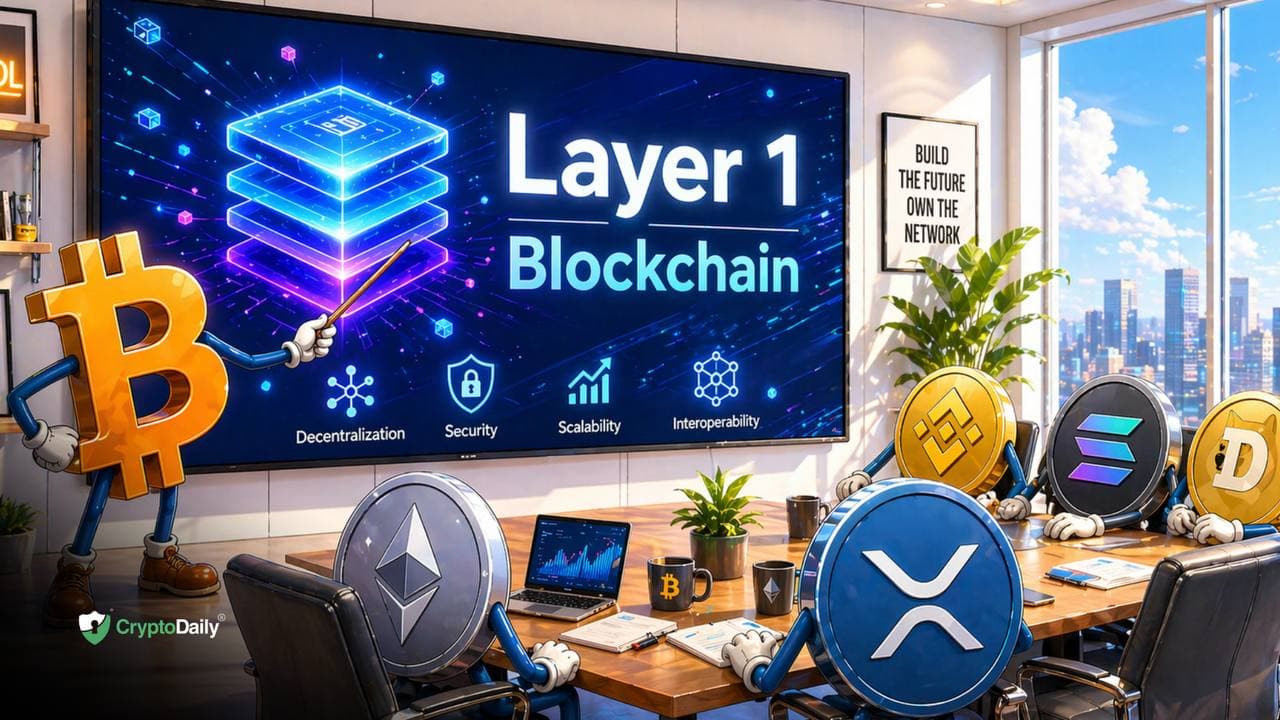
Layer 1 blockchains: foundation, function, and future impact
Crypto Daily·60-word summary·1 min read
Layer 1 blockchains continue to be essential for DeFi, consensus, and Web3, underpinning the entire crypto ecosystem. Their foundational role remains irreplaceable as the industry scales, supporting the development of decentralized applications and financial services. While specific amounts and dates are not provided, their importance in shaping the future of blockchain technology is emphasized.
Polymarket has announced early access for perpetual futures trading, marking its entry into derivatives. Meanwhile, Kalshi is also planning to launch a similar product, according to The Information. Both platforms are expanding their offerings in the DeFi space, signaling increased interest in perpetual trading products within the decentralized finance ecosystem. The launches are expected to boost trading options for users.
MoneyGram and Stellar renewed their partnership for several years, expanding stablecoin access globally. The MoneyGram app now supports stablecoin balances in Colombia and El Salvador, running on Stellar with USDC support from Circle and Crossmint. Serving over 200 countries and territories, MoneyGram plans to launch more Latin American markets, broadening stablecoin adoption worldwide.
Galaxy Digital estimates a 50% chance the CLARITY Act will pass this year, amid ongoing debates over stablecoin yields. Key issues like regulatory clashes could delay legislation, with the bill’s progress uncertain. The outcome may impact crypto regulation and stablecoin markets, as lawmakers grapple with defining crypto assets and ensuring compliance.
Toobit DEX+ now lists Pre-IPO assets, allowing 24/7 stablecoin-settled trading of private companies like SpaceX, OpenAI, and Anthropic. This platform removes institutional barriers, providing retail traders access to top-tier private assets. The move expands DeFi options, offering continuous trading and exposure to high-value private companies in a regulated, stablecoin environment.
DoorDash has partnered with Stripe and Tempo, a blockchain backed by Paradigm, to enable stablecoin payments for merchants and Dashers across more than 40 countries. The collaboration aims to streamline global transactions, leveraging Tempo’s blockchain technology to facilitate faster and more efficient payments in the decentralized finance space. The partnership marks a significant step in integrating stablecoins into mainstream gig economy platforms.
Crypto liquidations reached $5.78 billion on April 21, driven by XRP and Ether, as traders faced rapid deleveraging amid increased volatility. Long positions accounted for $3.34 billion, while shorts totaled $2.44 billion. The surge highlights the swift risk unwinding in the derivatives market, reflecting heightened market instability over the past 24 hours.