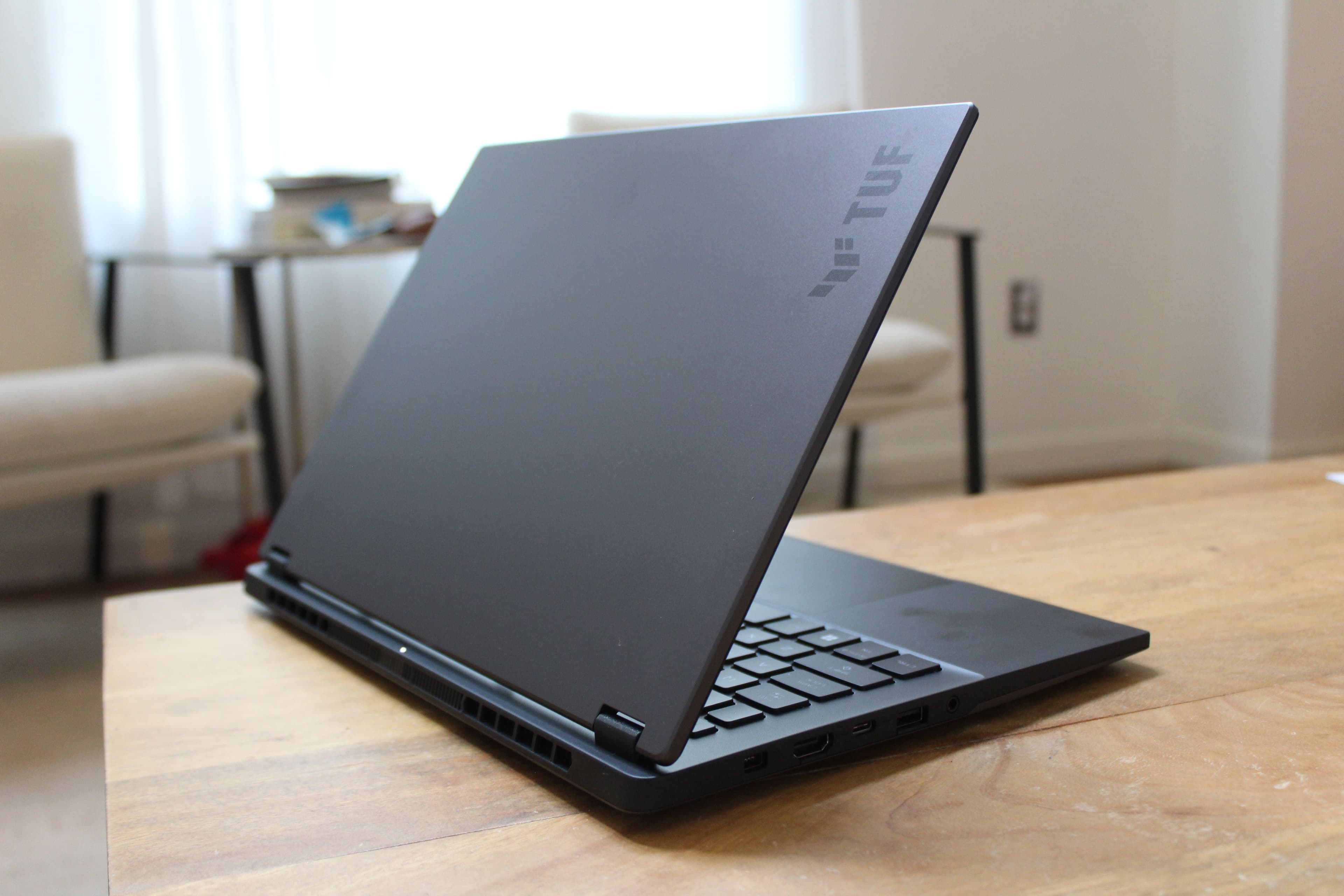
Asus TUF Gaming A14 (2026) Review: GPU-Less Gaming Laptop
Wired·60-word summary·1 min read
The Asus TUF Gaming A14 (2026) review highlights a gaming laptop without a discrete GPU, a bold move in 2026. While innovative, the device doesn't fully capitalize on AMD's latest silicon, limiting gaming performance. The review discusses design, performance, and potential market impact, providing gamers insight into this unconventional model.
The article discusses emerging AI-related threats, including the potential dangers of synthetic mirror bacteria, first proposed in February 2019. It highlights ongoing concerns about AI safety, with Chinese workers actively researching AI doubles. The focus is on the risks and ethical debates surrounding advanced biotech and AI development, emphasizing the uncertain future of synthetic life and AI safety measures.
IonQ stock surged 60% week-on-week after Nvidia launched two new quantum-focused AI models, Ising Calibration and Ising Decoding, on April 17, 2026. Nvidia’s tools aim to address core quantum computing challenges. Additionally, KBC Group NV increased its IonQ stake by 983.4% in Q4, now holding approximately $3.66 million worth of stock.
The Bose QuietComfort Ultra 2 headphones, known for their top-tier active noise cancellation, are currently available at a rare discount of $50 off. While the exact sale date is not specified, this price reduction highlights their popularity among consumers seeking premium audio quality. The headphones are highly regarded in the market for their noise-canceling capabilities.
Coinbase CEO Brian Armstrong has introduced AI agents named 'Fred' and 'Balaji' to assist with strategic decision-making and advance agentic commerce. Announced on April 20, 2026, these virtual teammates aim to enhance Coinbase's operational efficiency and innovation in AI-driven financial services. The move highlights Coinbase's focus on integrating AI technology into its platform.
Tech CEOs Mark Zuckerberg and Jack Dorsey believe AI will enable them to have increased control and presence across their platforms. While their visions differ, both see AI as a tool for enhanced management and oversight. The article highlights their contrasting approaches but emphasizes a shared goal of leveraging AI for broader influence and operational efficiency.
Google has introduced new Tensor Processing Units (TPUs) to challenge Nvidia’s dominance in AI chips. This strategic move aims to reshape market dynamics, with Google positioning its TPUs as a competitive alternative. The development marks a significant step in the ongoing competition within the AI hardware industry, which has been largely led by Nvidia for years.